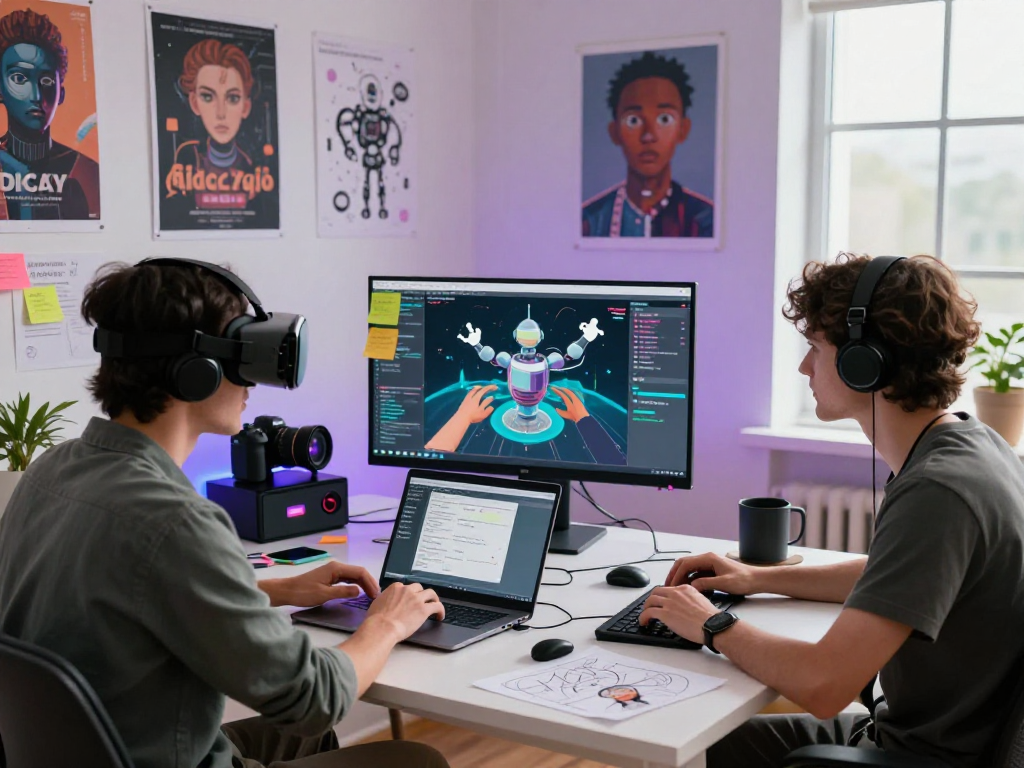
Understanding ai roleplay in Creative Processes
In the fast-evolving landscape of creativity, the integration of artificial intelligence (AI) is transforming how teams collaborate and brainstorm. One of the innovative methods gaining traction is ai roleplay, a technique that allows creatives to simulate scenarios and explore different perspectives, enhancing their creative output. By offering a platform for imaginative exploration, it nurtures new ideas while making the creative process more engaging and effective.
What is ai roleplay?
At its core, ai roleplay refers to the use of artificial intelligence to simulate interactions and situations that can help in brainstorming and decision-making processes. This method can involve characters, scenarios, or frameworks that the AI generates based on parameters set by the users. The ultimate goal is to immerse participants in a controlled but imaginative environment where they can explore creative ideas without the limitations imposed by traditional thinking.
The Evolution of Roleplay in Digital Environments
Roleplay has deep roots in human culture, often used in training and socialization. With the advent of technology, especially AI, the landscape of roleplay has significantly evolved. Early roleplay scenarios were often limited to face-to-face interactions or simple text-based simulations. Today, AI enhances these experiences by providing responsive, adaptive environments that learn from user interactions, thus offering richer, more dynamic roleplay experiences. This evolution opens new avenues for education, training, and creative collaboration.
Benefits of ai roleplay for Creatives
The advantages of incorporating ai roleplay into creative processes are manifold. Here are some key benefits:
- Enhanced Ideation: By stepping into different roles or scenarios, creatives can break free from conventional thought patterns and explore fresh ideas.
- Risk-Free Experimentation: Roleplay allows teams to explore ideas without the fear of failure, leading to more innovative solutions.
- Improved Communication: Engaging in roleplay can foster discussions that might not occur in traditional settings, enhancing team dynamics.
- Greater Engagement: The interactive nature of roleplay makes creative sessions more enjoyable, increasing motivation and participation.
Implementing ai roleplay in Your Workflow
Integrating ai roleplay into your creative workflow requires careful consideration of tools and practices. Here, we outline essential strategies for seamless implementation.
Tools and Technologies for Effective ai roleplay
To effectively implement ai roleplay, leveraging the right tools is essential. Platforms that offer AI-driven simulations, such as virtual reality environments or chatbots designed for immersive experiences, can enhance the roleplay process. Tools like ChatGPT or AI Twin offer facilitative support, enabling teams to create realistic scenarios that mimic real-world challenges. Additionally, project management software integrated with AI capabilities can streamline workflow and enhance collaboration.
Best Practices for Facilitating ai roleplay Sessions
When facilitating ai roleplay sessions, consider these best practices to maximize effectiveness:
- Define Objectives: Clearly outline the goals of each session to sustain focus and productivity.
- Prepare Scenarios: Develop relevant scenarios that are closely aligned with real-world applications, ensuring they are engaging and challenging.
- Encourage Participation: Foster an inclusive atmosphere where all team members feel comfortable sharing their ideas and perspectives.
- Debrief: After the session, hold discussions to reflect on insights gained, promoting learning and continuous improvement.
Common Challenges and Solutions in Roleplay
While ai roleplay can be highly beneficial, it is not without challenges. Common issues include participant resistance, technological glitches, and unclear objectives. Addressing these challenges involves:
- Education: Providing training on the value and mechanics of roleplay can alleviate resistance.
- Technical Support: Ensuring reliable IT support can help minimize disruptions during sessions.
- Clear Communication: Setting clear expectations and objectives prior to sessions can help participants engage meaningfully.
Enhancing Team Dynamics with ai roleplay
One of the most compelling aspects of ai roleplay is its potential to enhance team dynamics significantly. This section explores how roleplay contributes to better collaboration and trust among team members.
Fostering Collaboration through Roleplay
By simulating real-life scenarios, ai roleplay creates a unique platform for collaborative problem-solving. Team members can engage in role-specific simulations that help them understand different viewpoints, leading to better collaboration. This practice not only builds empathy but also drives consensus, as participants learn to negotiate and compromise in a safe environment.
Building Trust and Communication Among Team Members
Trust is crucial in any collaborative effort. ai roleplay fosters trust through shared experiences and vulnerability in simulated scenarios. By allowing team members to step into each other's roles, it promotes understanding and can highlight individual contributions, strengthening interpersonal relationships.
Case Studies: Successful ai roleplay Examples
Several organizations have successfully implemented ai roleplay to enhance their creative processes:
- Advertising Agency: An advertising firm introduced ai roleplay to improve their campaign brainstorming sessions. By simulating audience responses, they identified unique angles that resonated more with potential customers.
- Tech Startup: A tech startup used roleplay to explore product features, allowing engineers and marketers to step into user roles to better understand customer needs, leading to a more user-focused product design.
Measuring the Impact of ai roleplay
To fully harness the benefits of ai roleplay, organizations must implement metrics for measuring its effectiveness. This section delves into key performance indicators (KPIs) and methods for continuous improvement.
Key Performance Indicators for ai roleplay Success
Establishing KPIs is essential for assessing the impact of ai roleplay. Some valuable indicators to consider include:
- Idea Generation: Track the quantity and quality of ideas generated during roleplay sessions.
- Engagement Levels: Measure participant engagement through feedback and participation rates.
- Team Cohesion: Use surveys to assess changes in team dynamics pre- and post-implementation.
Feedback Mechanisms and Continuous Improvement
Regular feedback is crucial for ongoing enhancement of ai roleplay practices. Implement anonymous surveys, suggestion boxes, or open forums where team members can share their thoughts on the roleplay sessions. This data can inform future improvements and address any issues that arise.
Long-term Benefits of ai roleplay on Creative Output
Integrating ai roleplay into regular workflows can yield long-term benefits, such as sustained innovation and higher-quality outputs. Organizations that embrace this methodology often experience a cultural shift towards openness and creativity, which fosters an environment where new ideas flourish. Over time, this enhances not only individual creative outputs but also overall organizational performance.
Future Trends in ai roleplay for 2026 and Beyond
As technology continues to advance, the landscape of ai roleplay is likely to evolve significantly. This section presents emerging trends and predictions for the future of roleplay in creative industries.
Emerging Technologies Shaping ai roleplay
Future developments in AI, such as more sophisticated natural language processing and machine learning algorithms, are set to redefine ai roleplay. These technologies will make AI-generated scenarios more realistic and intuitive, enhancing user experience. Additionally, the integration of augmented and virtual reality will provide immersive roleplay experiences, enabling teams to engage in unprecedented ways.
Predictions for the Evolution of Roleplay in Workspaces
Looking ahead, roleplay in workspaces will likely become more commonplace, with businesses employing it regularly for training and strategy development. As remote work continues to grow, virtual ai roleplay sessions may become a staple in fostering collaboration across geographically dispersed teams.
Preparing for Future Developments in Creative Industries
To prepare for the future of ai roleplay, organizations should invest in ongoing training and technology adoption. Staying updated on the latest tools and incorporating new methodologies will be vital in maintaining a competitive edge. Moreover, fostering a culture that embraces experimentation and agility will ensure that teams can adapt to and leverage these advancements effectively.
What are the main benefits of ai roleplay?
The primary benefits include enhanced ideation, improved communication among team members, a safe environment for experimentation, and increased engagement within creative processes.
How can ai roleplay improve team communication?
ai roleplay facilitates open dialogue and understanding of different perspectives, which enhances overall communication and collaboration among team members.
What technologies are best for ai roleplay?
Effective technologies for ai roleplay include AI-driven simulation platforms, virtual reality environments, and tools that support interactive scenario-building.
Can ai roleplay be used in non-creative industries?
Yes, ai roleplay can be effectively applied in various industries, including healthcare for patient simulations, customer service for training representatives, and even in strategic military contexts for decision-making drills.
What are common misconceptions about ai roleplay?
One common misconception is that ai roleplay is only for creative fields. In reality, it can serve various sectors, enhancing team dynamics and decision-making across the board.